
When winter settles into a deep freeze, furnaces are forced to operate longer and harder than usual. Extended cold places constant demand on heating systems, and even minor issues can quickly turn into major comfort problems. Understanding common furnace troubles during extreme winter weather helps homeowners act early, reduce system strain, and avoid unexpected breakdowns when reliable heat matters most.
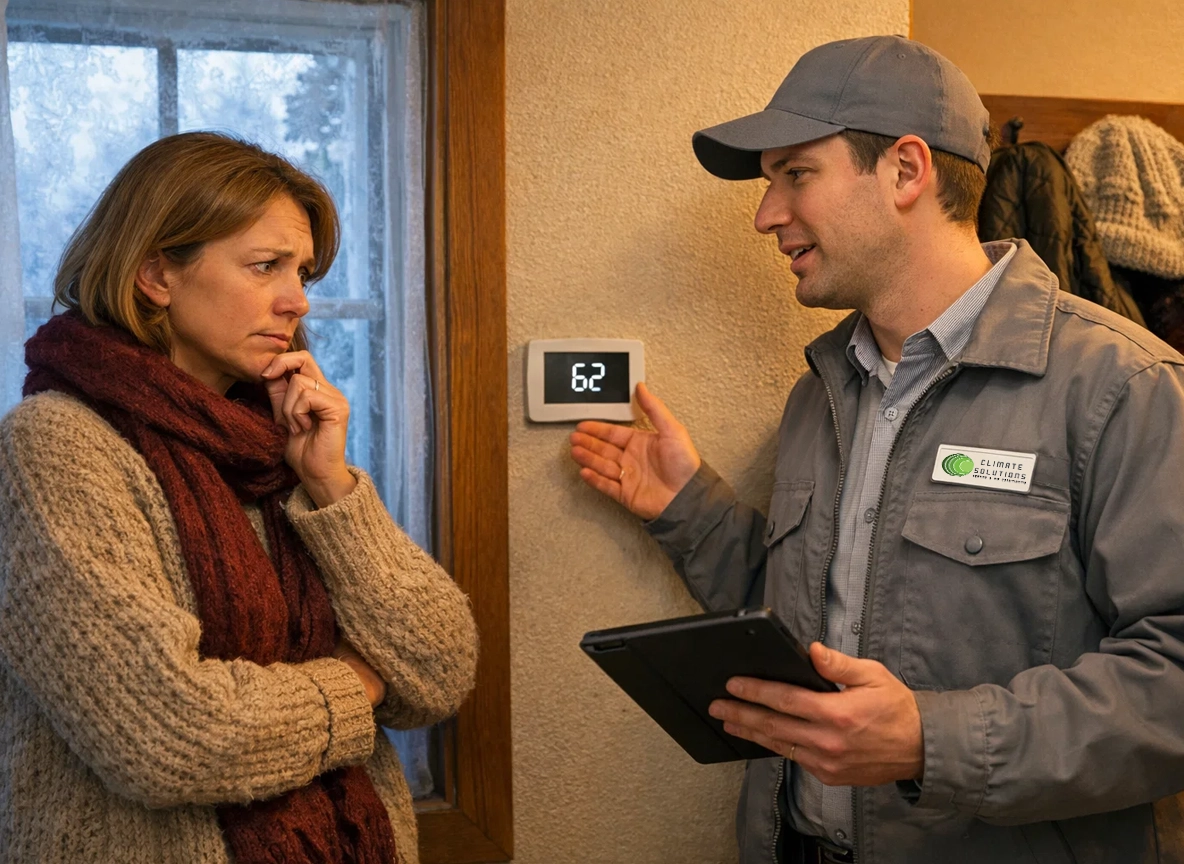
Short Cycling During Extreme Cold
Short cycling is one of the most common furnace problems during severe cold. This occurs when the system turns on and off more frequently than normal instead of running steady heating cycles. Deep freeze conditions can trigger short cycling when a furnace struggles to maintain indoor temperatures or experiences airflow limitations. Repeated cycling increases wear on components, lowers efficiency, and often leads to uneven comfort throughout the home. If left unresolved, short cycling can contribute to premature system failure during the coldest weeks of winter.
Uneven Heating and Cold Spots
Uneven heating and persistent cold spots are another warning sign during extreme winter weather. Some rooms may remain chilly while others feel comfortable, even though the furnace appears to be running constantly. This imbalance often becomes more noticeable as outdoor temperatures drop and heating demand increases. Cold rooms commonly point to airflow challenges, system strain, or aging parts that no longer perform as designed. Over time, uneven heating can make it difficult to maintain consistent indoor comfort.
Strange Noises That Should Not Be Ignored
Strange noises should never be ignored during a deep freeze. While furnaces naturally make some operational sounds, loud banging, rattling, buzzing, or grinding noises indicate trouble. These sounds may signal loose components, airflow disruptions, or mechanical wear. Because furnaces run longer cycles in extreme cold, unusual noises often become more noticeable and persistent. Prompt evaluation helps prevent further damage and unexpected system shutdowns.
Ice and Snow Blocking Furnace Airflow
Extreme winter weather can also affect furnaces from the outside. Ice and snow buildup around outdoor intake or exhaust vents can restrict airflow and interfere with safe operation. Blocked vents may cause furnaces to operate inefficiently or shut down as a safety precaution. Keeping vents clear supports proper airflow and allows the furnace to function reliably during freezing conditions.
Why Professional Tune Ups Matter in Winter
Professional tune ups are especially important during deep winter cold. Seasonal inspections allow technicians to evaluate system performance, check airflow, and identify developing problems before they turn into emergencies. Regular winter maintenance improves efficiency, reduces the risk of breakdowns, and helps ensure safe operation when heating demand is highest. Tune ups also support long term system reliability.
Schedule Winter Furnace Service with Climate Solutions, Inc.
Deep freeze conditions demand dependable heating support from professionals who understand winter challenges. Climate Solutions, Inc. provides furnace inspections, maintenance, and repairs designed to keep heating systems operating safely and efficiently when temperatures drop. With experienced technicians and a commitment to quality service, the team helps homeowners stay warm, avoid unexpected breakdowns, and protect their comfort throughout the winter season.
Contact Climate Solutions, Inc. today to schedule service and experience heating care from the trusted source for all your heating and cooling needs.