
Winter weather can be tough on your home’s exterior—and your HVAC system is no exception. Snow and ice buildup may seem harmless at first, but prolonged exposure can lead to performance issues, system strain, and even costly repairs if problems go unnoticed. Understanding how winter conditions affect your HVAC system helps you take timely action and protect your comfort.
Being aware of common cold-weather risks and knowing what to watch for after a storm can help keep your system operating safely and efficiently all winter long.
Frozen Coils Reduce System Performance
One of the most common winter HVAC issues is frozen coils. When airflow is restricted or moisture freezes on system components, coils can become encased in ice. This prevents proper heat transfer and forces the system to work harder to maintain indoor comfort.
Frozen coils often lead to reduced heating performance and can place unnecessary strain on other components. If left unresolved, this issue may contribute to premature wear or system shutdowns.
Ice Buildup on Outdoor Units
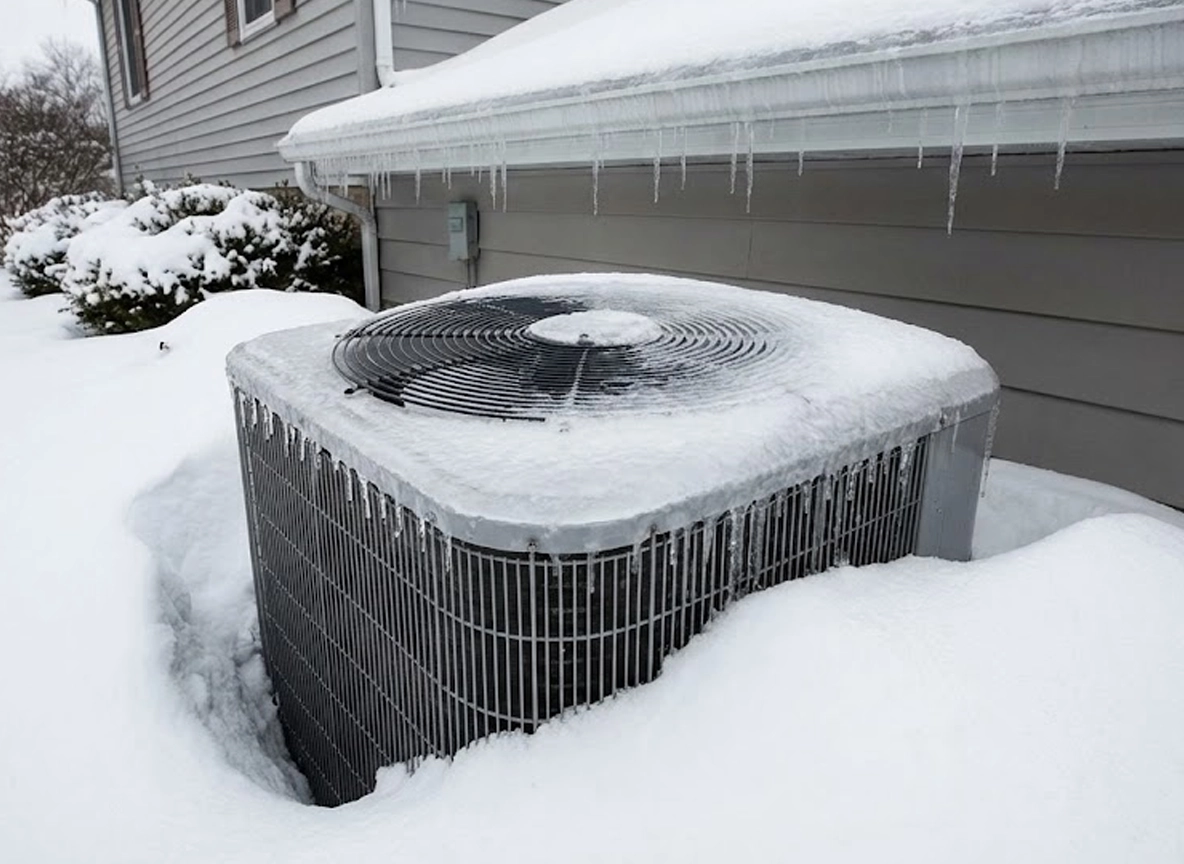
Outdoor HVAC units are designed to withstand cold weather, but excessive ice buildup can interfere with proper operation. Snow and ice accumulation can block airflow, disrupt defrost cycles, and put additional stress on the system.
If ice continues to build up, the unit may struggle to function efficiently, leading to inconsistent comfort indoors. Monitoring outdoor units after winter storms helps catch issues early.
Blocked Vents and Restricted Airflow
Snow accumulation can block outdoor vents and air intake areas, limiting airflow and reducing system efficiency. When vents are obstructed, your HVAC system must work harder to circulate air, which can lead to uneven heating and increased strain.
Ensuring vents remain clear after snowfall supports steady performance and helps maintain proper airflow throughout the system.
Freeze-Thaw Cycles Can Damage Components
Winter weather often brings fluctuating temperatures that cause repeated freezing and thawing. These cycles can stress HVAC components, leading to cracks, loose connections, or damaged housing over time.
Cracked components may not be immediately visible but can impact system reliability and efficiency. Addressing these concerns early helps prevent more extensive damage as winter continues.
Post-Snow Inspection Checklist for Homeowners
After a snow or ice event, a quick visual check can help identify potential issues before they worsen:
- Check outdoor units for excessive snow or ice buildup
- Ensure vents and airflow pathways are clear
- Look for visible damage or unusual ice patterns
- Pay attention to changes in system performance or comfort levels
- Listen for unfamiliar sounds during operation
If anything appears unusual, professional inspection is recommended to prevent further complications.
Why Professional Winter Inspections Matter
While visual checks are helpful, professional HVAC inspections provide a deeper assessment of system health. Trained technicians can identify hidden issues caused by cold weather, verify proper operation, and make adjustments to support safe, efficient performance.
Routine winter inspections help extend system lifespan and reduce the risk of unexpected breakdowns during the coldest months.
Protect Your Comfort All Winter Long
Snow and ice are unavoidable parts of winter, but HVAC damage doesn’t have to be. Staying alert to common cold-weather issues and scheduling professional service when needed helps protect your system and ensures reliable comfort throughout the season.
Schedule Winter HVAC Service Today
If snow or ice has affected your HVAC system—or if you want peace of mind during winter—the experienced team at Climate Solutions, Inc. is here to help.
Contact Climate Solutions, Inc. today to schedule an appointment—The trusted source for all your heating and cooling needs.